

Acrylic Sheet Safety Guide for Makers and Small Businesses
Acrylic sheets are a popular material for crafters, laser cutting professionals, and small creative businesses. They offer clarity, impact resistance, and versatility. However, working with acrylic safely requires an understanding of the risks that come with cutting, machining, and processing the material. This guide covers the essential safety information you need, from handling and storage to laser cutting and food contact regulations.
Understanding Acrylic Sheet Safety Basics
Under normal conditions of handling and use, acrylic sheets have low toxicity. A rigid acrylic sheet that is installed and not being processed is considered safe for everyday use. However, the moment you start cutting, drilling, sanding, or laser engraving, new hazards appear. The key is to separate the inherent safety of the finished acrylic product from the risks created during fabrication.
Acrylic is a thermoplastic, and its chemical makeup changes when heated. At temperatures above 200°C, acrylic undergoes thermal decomposition, releasing toxic, irritant, and flammable vapours. Laser cutting, which heats acrylic to very high temperatures in a focused beam, can produce corrosive and toxic fumes that require proper ventilation. Machining creates dust and sharp edges. Knowing these risks is the first step to working safely.
Key Safety Hazards When Working with Acrylic
Sharp Edges and Cuts
When acrylic sheets are cut, the edges can be very sharp. This is true whether you use a saw, a laser cutter, or a scoring knife. Gloves and protective eyewear are recommended to prevent cuts and to protect your eyes from flying fragments. Even a small acrylic shard can cause a deep wound.
Thermal Decomposition and Fumes
Heating acrylic above 200°C, as happens during laser cutting or hot-wire bending, causes the material to decompose. The vapours produced are toxic and can also be irritant and flammable. Laser cutting of acrylic requires adequate ventilation at all times. Do not process acrylic in a poorly ventilated area or without an extraction system designed to handle these fumes.
Flammability
Acrylic is a flammable material. It starts burning at temperatures around 450°C. For this reason, acrylic should not be used as glazing in means of transport, as it can contribute to fire spread. In your workshop, keep acrylic sheets away from open flames, hot surfaces, and sources of ignition.
Dust and Particulate Inhalation
When you sand, saw, or route acrylic, fine dust is generated. PMMA dust (the chemical name for acrylic) is classified as a nuisance particulate. The occupational exposure limit from OSHA is 15 mg/m³ for total dust. While not acutely toxic, inhaling high concentrations of dust over time can irritate the respiratory system. Wearing a dust mask or respirator during machining is a sensible precaution.
Essential Personal Protective Equipment (PPE)
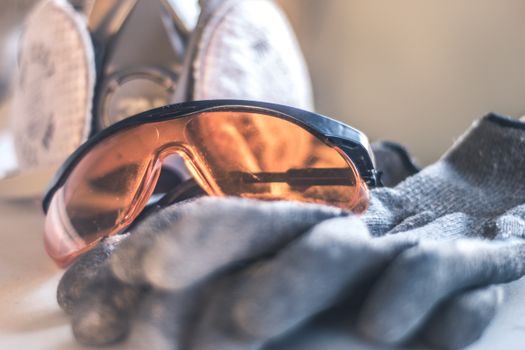
When machining acrylic, you should wear proper PPE. Safety glasses protect your eyes from sharp chips and dust. Cut-resistant gloves help prevent cuts from sharp sheet edges. A dust mask or respirator reduces inhalation of particulate. If you are laser cutting, a vapour cartridge respirator may be necessary if your extraction system does not remove all fumes. Always match your PPE to the specific task.
Acrylic sheets are heavy and unwieldy, so good hand protection also helps with grip. In windy locations, large sheets can catch the wind and become difficult to control, increasing the risk of cuts or dropping the sheet.
Safe Handling and Storage of Acrylic Sheets
Handling Large Sheets
Acrylic sheets can be large and heavy. They should be handled with care, especially when carrying them in open or windy areas. Use two people for large sheets. Carry them on edge, not flat, to reduce bending stress. Avoid dragging sheets across rough surfaces, as this can create scratches and stress cracks.
Storage Conditions
Store acrylic sheets away from heat sources. The maximum recommended storage temperature is below 40°C. Sheets should be stored vertically on A-frames, leaning slightly, not flat stacked under heavy loads. This prevents warping and stress. Keep the protective film on the sheets during storage to guard against scratches.
Safety Considerations for Laser Cutting Acrylic
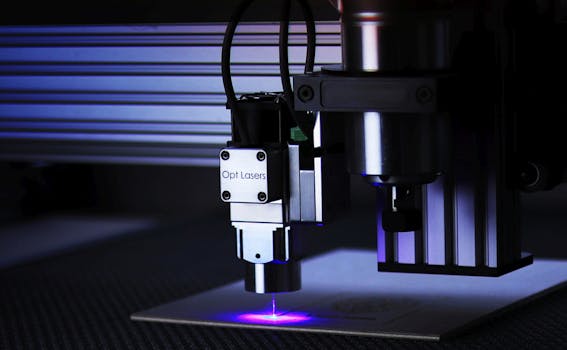
Laser cutting is a common way to process acrylic for makers and small businesses. However, it creates toxic and corrosive fumes. Adequate ventilation must be used. Many laser cutter models come with built-in extraction, but you should verify that the system is sufficient for the volume of material you are cutting. If you notice a strong odour or eye irritation, stop cutting and improve ventilation.
The fumes from laser cutting acrylic are not just unpleasant; they contain methyl methacrylate monomer vapour. While MMA is not classified as a carcinogen, it can cause reversible irritation to eyes and respiratory passages at occupational levels. Always follow the manufacturer recommendations for your laser cutter and your acrylic material.
Acrylic and Food Contact Safety
Acrylic sheets can be suitable for food contact applications, but only specific grades are designed for this purpose. PERSPEX acrylic sheets are generally suitable for food contact, but regulations vary by country. In the UK, you should confirm with your supplier that the specific product meets food contact regulations. Do not assume that all acrylic sheets are food safe. If you are making food containers, cake stands, or cutting boards, use only acrylic that is explicitly labelled for food contact.
Remember that even food-safe acrylic should not be exposed to high heat, such as in a microwave or dishwasher, unless the manufacturer states it is safe. Acrylic can soften and release chemicals under excessive heat.
Acrylic vs. Glass: Safety and Practicality
Many makers compare acrylic to glass when choosing a transparent material. Acrylic is approximately 17 times more impact-resistant than standard glass. This means it is less likely to shatter into sharp shards, making it safer in high-traffic areas or in projects that may be knocked over. Acrylic also weighs about half as much as glass, which makes it easier to handle and less likely to cause injury if dropped on a foot.
However, acrylic is not without downsides. It scratches more easily than glass, and it is flammable. Glass remains a better choice near open flames or high heat. For most indoor craft and display uses, acrylic offers a practical balance of safety and workability.
Cast vs. Extruded Acrylic: Which is Safer for Your Project?
Both cast and extruded acrylic are safe when handled correctly. Cast acrylic offers superior optical clarity and a harder surface, which makes it more resistant to scratches during fabrication. It polishes more easily and is less prone to stress cracking. Extruded acrylic is 20 to 40 percent cheaper but has a softer surface and can crack more easily under stress. For high-end displays or projects that require pristine clarity, cast acrylic is the better choice. For simple home or garden projects, extruded acrylic is adequate and more affordable.
From a safety standpoint, the same precautions apply to both types: sharp edges, dust, fumes, and flammability. The choice between cast and extruded should be based on your project requirements, not on any difference in inherent toxicity.
Frequently Asked Questions
Is acrylic sheet toxic to touch?
Under normal handling, acrylic sheet has low toxicity. Touching a finished sheet poses no significant health risk. However, because sheets may have sharp edges and can accumulate dust during storage, washing your hands after handling is good practice. Always wear gloves when cutting or sanding.
Can acrylic sheets be used for food containers?
Some acrylic grades are specifically manufactured for food contact. Acrylic sheets are generally suitable, but regulations vary by country. In the UK, you should verify with your supplier that the product meets food contact standards. Do not use standard extruded acrylic for direct food contact unless it is labelled as food safe.
Do I need a respirator when laser cutting acrylic?
Laser cutting acrylic produces toxic and corrosive fumes. A respirator with organic vapour cartridges can provide additional protection, but the most important measure is adequate ventilation. If your extraction system removes all fumes at the source, a respirator may not be necessary. Always follow your laser cutter manufacturer advice.
Is acrylic fireproof?
No, acrylic is flammable. It ignites at temperatures around 450°C and will burn if exposed to an open flame or high heat. Keep acrylic sheets away from heat sources and do not use them as glazing in areas where fire resistance is required, such as in vehicles or escape routes.
What should I do if I get acrylic dust in my eyes?
If acrylic dust or small fragments get into your eyes, flush with clean water for several minutes. If irritation persists, seek medical attention. To prevent such incidents, always wear safety goggles or protective eyewear when cutting, sanding, or machining acrylic.
Acrylic sheets are a versatile and safe material when you respect the hazards that come with processing them. By using proper PPE, maintaining good ventilation, storing sheets correctly, and choosing the right grade for your application, you can work with acrylic confidently and safely in your workshop.