

How to Store Acrylic Sheets to Prevent Damage in 2026
Acrylic sheets are a popular material for crafters, small creative businesses, and laser cutting professionals because they are lightweight, durable, and visually striking. However, improper storage can lead to warping, scratches, yellowing, or brittleness that ruins a project. Understanding how to store acrylic sheets correctly preserves their quality and saves money. This guide explains the key storage methods, environmental conditions, and handling tips you can use today to protect your acrylic sheets well beyond 2026.
Why Storage Conditions Matter for Acrylic Sheets
Acrylic is a thermoplastic, which means it can soften and distort when exposed to heat or pressure for extended periods. Unlike wood or metal, acrylic does not react to moisture in the same way, but it is sensitive to temperature extremes, direct sunlight, and chemical vapors. Proper storage keeps the material flat, clear, and free from surface damage. Taking a few minutes to set up a dedicated storage area prevents common problems that cause material waste and project delays.
Ideal Environmental Conditions for Storing Acrylic
Temperature control is one of the most important factors when storing acrylic sheets. Keep your sheets in a space that stays between 60°F and 80°F (16°C to 27°C). Avoid garages, sheds, or rooms that experience large temperature swings throughout the year. Acrylic stored in a stable environment is less likely to warp or become brittle over time.
Direct sunlight is another hazard. Ultraviolet rays cause acrylic to yellow and become brittle, reducing clarity and strength. Store sheets away from windows or under a cover such as a soft cloth or protective film. Also keep acrylic away from heat sources like radiators, steam pipes, and spray painting booths. Solvent vapors from paints or adhesives can chemically attack the surface, leading to crazing (fine cracks) or cloudiness.
Horizontal Storage: The Best Way to Prevent Warping
For most users, the best way to store acrylic sheets is horizontally on a flat, level, and solid surface. This method distributes the weight of the sheet evenly and prevents the material from sagging or bending over time. A sturdy table, plywood sheet, or purpose-built shelf works well.
When stacking multiple sheets horizontally, place the largest sheets at the bottom. This keeps the stack stable and reduces stress on smaller pieces. According to manufacturer guidelines, do not stack sheets higher than four skids. A skid is a unit of stacked material, so keep your total stack height limited to prevent the bottom sheets from bearing too much weight.
Use thin spacers between each sheet to allow air circulation and prevent pressure marks. Foam boards or wooden slats that are cut to size work effectively. Spacers also make it easier to separate sheets without dragging one across another, which reduces scratch risks.
How to Protect the Top Surface in a Horizontal Stack
The top sheet in a stack is vulnerable to dust, scratches, and accidental contact. Cover the top sheet with a soft cloth, additional protective film, or a piece of plastic sheeting. If you do not have the original interleaving paper, a clean microfiber cloth or a sheet of cardboard can provide a basic barrier. This covering also helps block light and dust, keeping the acrylic ready for your next laser cutting or crafting project.
Vertical Storage: A Space-Saving Alternative
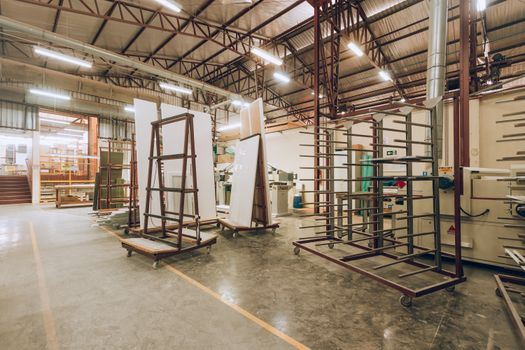
When flat horizontal storage is not possible because of limited space, vertical storage is an acceptable alternative. Large sheets can be stored vertically in special racks where the sheet leans at an angle of approximately 10° to 15°. This slight lean prevents the sheet from falling forward and reduces the risk of bending. Vertical rack systems designed for acrylic or glass are available from material handling suppliers, and they can hold multiple sheets in a compact footprint.
Some sources note that acrylic can be stored on its edge without warping, which is different from advice given for some other materials like wood. However, vertical storage may not be ideal for very thin or flexible sheets because they can bow under their own weight over time. If you choose vertical storage, keep the rack in a climate-controlled area and away from direct sunlight and heat sources.
Using Organizers for Small Acrylic Pieces
For small acrylic sheets, remnants, or acrylic craft blanks, consider using lid organizers or cutting board organizers. These inexpensive plastic or wooden dividers create vertical cubbies that keep each piece separate. This method is popular among makers who work with many small colored or iridescent acrylic pieces. The dividers prevent sheets from rubbing against each other and make it easy to find the exact piece you need for a project. Place the organizer on a shelf or in a drawer that stays within the recommended temperature range.
Handling and Transporting Acrylic Sheets
Even with perfect storage, damage can happen during handling. Always lift acrylic sheets with clean hands or wear soft cotton gloves. Oils and dirt from your fingers can leave marks that are difficult to remove. When moving a sheet, hold it by the edges rather than pressing on the face. For large sheets, get assistance and carry the sheet vertically, not flat, to reduce flexing.
Before placing a sheet into storage, remove any dust or debris with a gentle anti-static cloth or a rinse of clean water. Do not wipe a dry acrylic surface with a rough cloth because this can cause micro-scratches. If the sheet has protective film on both sides, leave it in place until you are ready to cut or laser the acrylic. The film acts as a built-in scratch guard during storage and handling.

Common Mistakes to Avoid When Storing Acrylic
One common mistake is storing acrylic sheets directly on a concrete floor. Concrete stays cool and can transfer moisture unevenly, which may cause the bottom sheet to absorb dampness and distort. Always lift sheets off the floor onto a rack, pallet, or sheet of plywood.
Another mistake is stacking sheets without spacers. Even if the sheets have protective film, the weight of upper sheets can create pressure marks that show up as dull spots. Spacers are cheap insurance against this problem.
Leaving acrylic in a hot car or near a furnace is also risky. Temperatures above the recommended range cause the material to soften and warp permanently. If you receive a shipment of acrylic sheets in hot weather, let them acclimate to room temperature inside the packaging before opening and storing them.
Organizing Your Acrylic Storage Area for Efficiency
A well-organized storage area saves time and reduces the chance of damage from rummaging through piles. Label each sheet or stack with the color, thickness, and date received. This practice helps you grab the right material quickly and rotate stock, using older sheets first. For businesses that buy wholesale acrylic sheets, keeping an inventory list prevents over-ordering and ensures that stored material does not sit unused for years.
Keep the storage area clean and free of dust, debris, and chemical containers. A tidy workspace also makes it easier to spot any problems with stored sheets early, such as yellowing or surface marks, before they affect a project.

Summary of Best Practices for Storing Acrylic Sheets in 2026
To keep acrylic sheets in perfect condition for laser cutting, crafting, or fabrication, follow these core guidelines:
Store sheets in a temperature-controlled environment between 60°F and 80°F (16°C to 27°C).
Keep sheets out of direct sunlight to prevent yellowing and brittleness.
Avoid heat sources, steam pipes, and solvent vapors.
For flat storage, use a level, solid surface and stack no higher than four skids.
Place larger sheets at the bottom of any horizontal stack.
Use thin spacers like foam boards or wooden slats between stacked sheets for air circulation and to prevent pressure marks.
When vertical storage is needed, lean sheets at an angle of 10° to 15° in a rack.
Cover the top sheet with a soft cloth, protective film, or plastic sheeting.
Handle sheets by the edges with clean hands or gloves.
Leave protective film on sheets until you are ready to cut or laser them.
Use lid or cutting board organizers to separate small pieces vertically.
Do not store acrylic directly on concrete floors.
These methods are based on general industry guidance and manufacturer recommendations from sources like ACRYLITE, T&T Plastic Land, and OPC Plastics. No new storage regulations or standards specific to 2026 have been issued at this time, so the advice remains consistent with past best practices. For the most up-to-date information, check with your acrylic supplier or consult the manufacturer of the specific acrylic product you are using. By setting up proper storage now, you protect your investment and keep your acrylic sheets ready for every project.
Frequently Asked Questions
Can I store acrylic sheets vertically without causing damage?
Yes, vertical storage is acceptable when flat storage is not possible. Use a rack that allows the sheet to lean at an angle of 10° to 15°. This method works well for large sheets, but very thin or flexible sheets may bow over time. Always store vertical racks in a climate-controlled area away from heat and direct sunlight.
How do I prevent scratches on stored acrylic sheets?
Keep the protective film on the sheets during storage. When stacking, use thin spacers like foam boards between each sheet to prevent them from rubbing together. Cover the top sheet with a soft cloth or plastic sheeting. Handle sheets by the edges with clean hands or soft gloves, and clean dust off gently before stacking.
What temperature is best for storing acrylic sheets?
Store acrylic sheets in a temperature-controlled environment between 60°F and 80°F (16°C to 27°C). Avoid locations that experience large temperature swings, such as garages or sheds. Stable temperatures help prevent warping, brittleness, and other forms of material degradation over time.
How high can I stack acrylic sheets when storing them horizontally?
Manufacturer guidance recommends stacking sheets no higher than four skids. A skid is a unit of stacked material. Placing larger sheets at the bottom helps keep the stack stable and reduces pressure on lower sheets. Using thin spacers between each sheet also helps distribute weight and prevent pressure marks.
Does direct sunlight damage stored acrylic sheets?
Yes, direct sunlight causes acrylic sheets to turn yellow and become brittle over time. This happens because ultraviolet radiation breaks down the polymer structure. Always store acrylic away from windows or underneath a cover such as a soft cloth, protective film, or plastic sheeting to block UV exposure.